Oncolytic Virus Therapy: Expanding Combination Treatment Options for Patients with Complex Tumors
1. Why focus on oncolytic virus therapy?
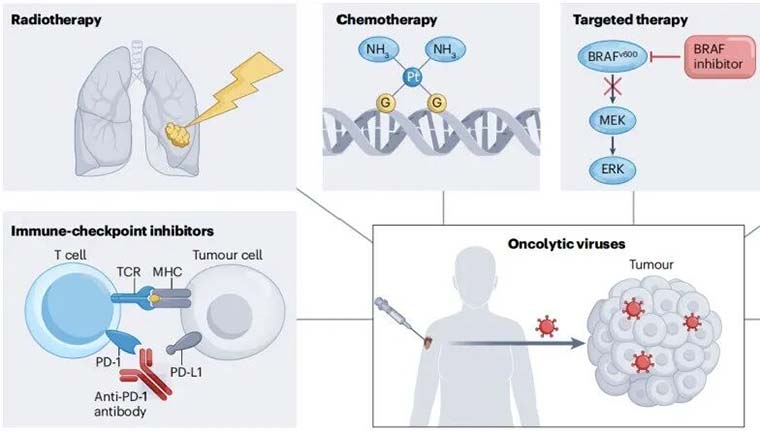
In tumor treatment, some patients may still face difficulties in lesion control, risks of recurrence and metastasis, or limited therapeutic options even after undergoing surgery, interventional procedures, radiotherapy, chemotherapy, targeted therapy, or immunotherapy. In such complex clinical scenarios, there is often a need to explore new combination strategies based on existing treatments.
Oncolytic virus therapy has gained attention in this context. It is not intended to replace surgery, interventional therapy, radiotherapy, chemotherapy, or immunotherapy; rather, it can be used in combination with these modalities according to the patient's condition. This approach provides new entry points for comprehensive treatment, helping clinicians develop more appropriate individualized treatment plans centered on local control, immune activation, and the coordination of subsequent therapies.
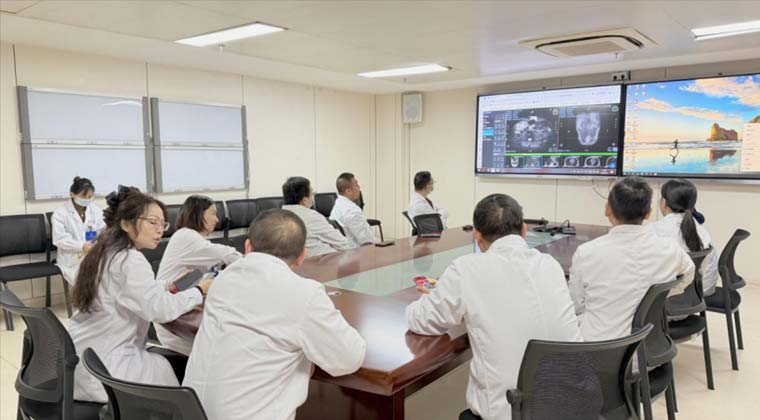
MDT meeting conducted by experts to evaluate the patient's condition and discuss the treatment strategy
2. What is oncolytic virus therapy?
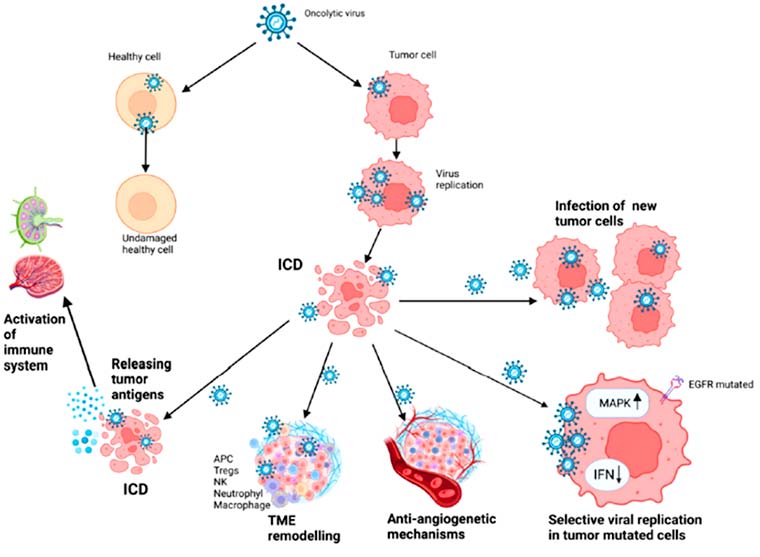
Oncolytic viruses are a class of naturally occurring or genetically engineered viruses that can preferentially infect and lyse tumor cells. After entering tumor tissue, they replicate and induce cell lysis, thereby directly destroying tumor cells. At the same time, tumor-associated antigens and signaling molecules are released, which further activate the host's antitumor immune response.
Mechanism of action of oncolytic viruses
3. Core mechanisms of oncolytic virus therapy
The value of oncolytic virus therapy lies not only in its direct effects on tumor cells, but also in its ability to be integrated into comprehensive treatment strategies and to act synergistically with multiple therapeutic modalities.
① Direct oncolysis: viruses preferentially replicate within tumor cells, leading to cell lysis.
② Immune activation: lysis of tumor cells releases tumor-associated antigens, promoting recognition and attack by the immune system.
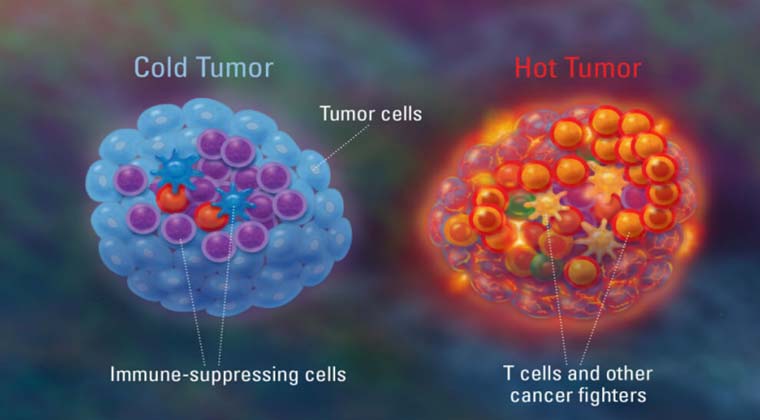
③ Microenvironment modulation: helps reduce local immunosuppression, making previously "cold" tumors more responsive to subsequent combination therapies.
④ Synergistic combination: can be used in combination with interventional therapies (such as TACE), immunotherapy, ablation, radiotherapy, chemotherapy, and other approaches, becoming an integral part of comprehensive treatment.
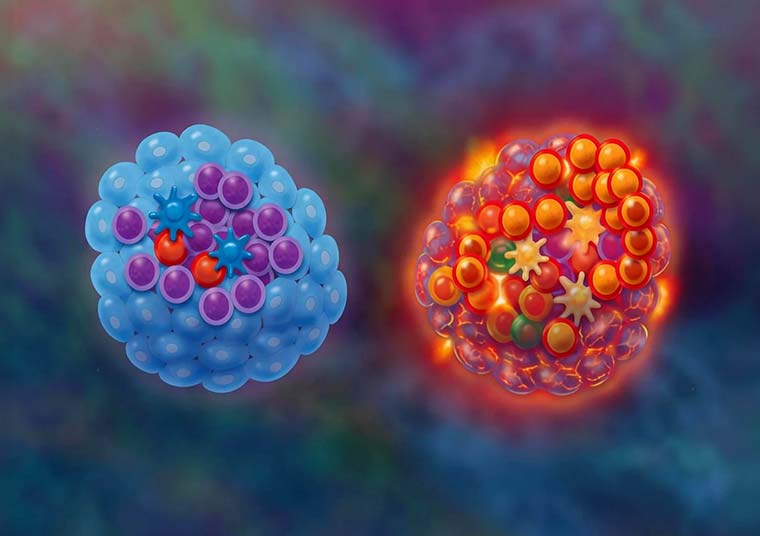
Oncolytic viruses promote the transformation of the tumor microenvironment from "cold" to "hot," improving local immune status
Combined application of oncolytic virus therapy
4. Applicable situations
① Common indications: Nasopharyngeal carcinoma, liver cancer, pancreatic cancer, malignant pleural and ascitic effusions, lung cancer, gastric cancer, cervical cancer, ovarian cancer, and others.
② Common clinical scenarios:
· Locally accessible solid tumor lesions: including certain superficial, subcutaneous, lymph node, intracavitary lesions, as well as primary and metastatic lesions visible intraoperatively or accessible under imaging guidance.
· Patients with hepatocellular carcinoma and other liver tumors requiring local control, conversion therapy, or comprehensive perioperative management.
· Local cavity-related conditions such as malignant ascites and pleural effusion.
· Complex cases that have previously undergone interventional therapy, immunotherapy, ablation, radiotherapy, or chemotherapy, and still require additional combination treatment options.
5. Common Application Routes
① Intratumoral injection for accessible lesions:
Applicable to certain superficial, subcutaneous, lymph node, hollow organ lesions, or imaging-guided targetable lesions.
② Combined treatment for liver cancer and other hepatic tumors:
· Can be integrated with interventional therapies such as TACE, intratumoral injection, PD-1 inhibitors, ablation, and perioperative local application to develop a comprehensive treatment strategy.
· Different application routes may aim at local tumor control, synergistic enhancement of efficacy, conversion therapy, postoperative recurrence risk management, or symptom relief.
Illustration of local drug administration in liver tumors
③ Malignant ascites, pleural effusion, and other cavity-related lesions
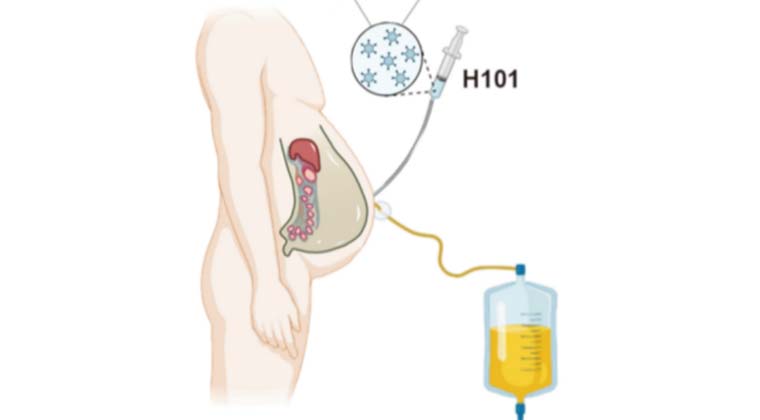
In these conditions, local treatment may be performed using intracavitary infusion (e.g., pleural or intraperitoneal administration) to achieve disease and symptom control, as well as to facilitate subsequent stages of therapy.
Illustration of intraperitoneal perfusion of oncolytic virus
④ Intraoperative or conduit-based local application
In selected complex clinical cases, local administration may be considered during surgery, as well as via interventional access, endoscopic routes, or other conduit-based pathways for localized treatment.
6. What are the advantages of oncolytic virus therapy compared with conventional treatments?
Oncolytic virus therapy differs from traditional single-modality treatments such as surgery, radiotherapy, and chemotherapy. It is more appropriately considered a novel biological therapy within comprehensive treatment strategies, with individualized evaluation based on lesion location and therapeutic goals.
① Not limited to conventional surgical approaches:
Depending on the location of the lesion, treatment options may include intratumoral injection, intrathoracic or intraperitoneal perfusion, interventional access routes, endoscopic approaches, or intraoperative local application.
② Combined local cytotoxicity and immune activation:
It can directly lyse tumor cells and may further enhance anti-tumor immune responses through the release of tumor-associated antigens.
③ Relatively limited impact on normal tissues:
It demonstrates a certain degree of tumor selectivity, preferentially targeting tumor cells while exerting relatively less effect on normal tissues.
④ Suitable for combination with multiple therapies:
It can be combined with interventional therapy, immunotherapy, ablation, radiotherapy, chemotherapy, and other modalities, thereby increasing the flexibility of comprehensive treatment strategies.
⑤ Provides additional options for complex cases:
For patients with disease progression after prior treatments, difficult local tumor control, or recurrent malignant pleural or peritoneal effusions, it may serve as an additional option within comprehensive therapeutic evaluation.
7. Clinical Cases
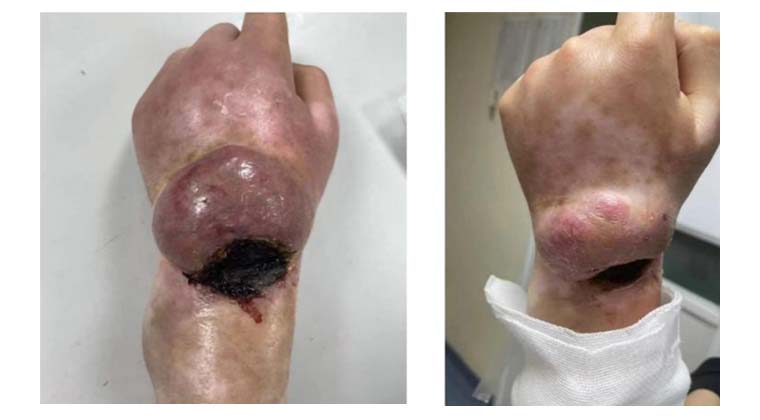
① Case of multiple metastatic cutaneous melanoma
The patient had previously experienced disease progression after targeted therapy and immunotherapy. Following evaluation, intratumoral injection of Ankerui (oncolytic virus) was administered to locally accessible lesions of the upper limb in combination with systemic therapy. After treatment, a reduction in the size of the injected lesions was observed compared with baseline.
Before injection
After injection
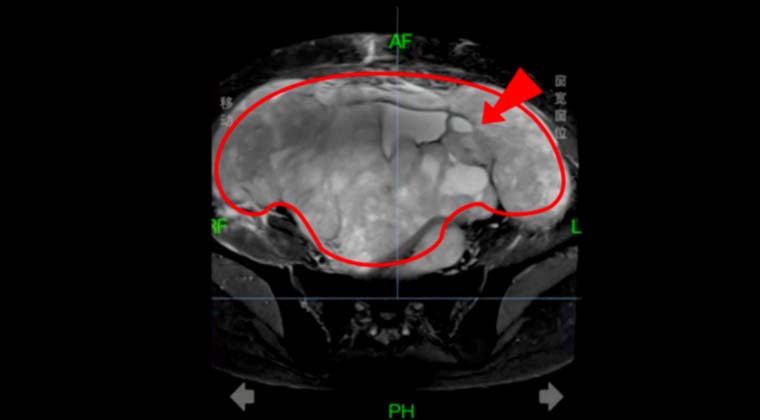
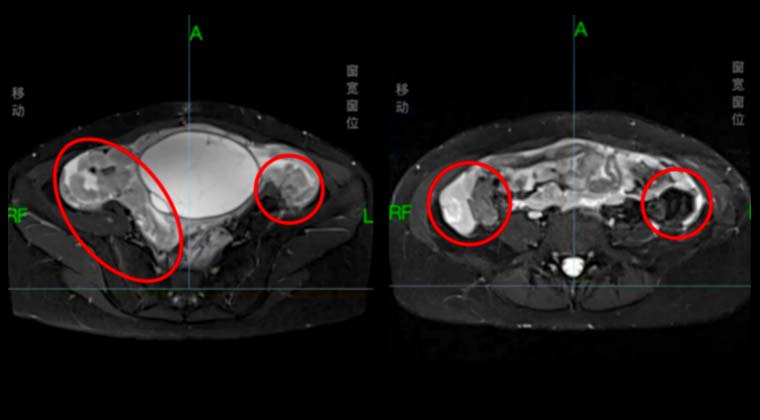
② Case of malignant ovarian tumor with abdominopelvic metastases
The patient had stage IV malignant ovarian tumor with abdominopelvic metastases and ascites.
For local disease control, intraperitoneal infusion of oncolytic virus (recombinant human adenovirus type 5 injection, 2 cycles) was performed, combined with intravenous chemotherapy, immunotherapy, and targeted therapy as part of comprehensive management. After treatment, a significant reduction in abdominopelvic metastatic lesions was observed.
Before treatment
After treatment
8. Why choose Jinshazhou Hospital of Guangzhou University of Chinese Medicine?
Jinshazhou Hospital of Guangzhou University of Chinese Medicine has extensive experience in oncolytic virus--related therapies. The hospital conducts comprehensive evaluations based on lesion location, prior treatments, liver function, coagulation status, infection risk, and overall patient condition, in order to determine whether oncolytic virus therapy is suitable for inclusion in local or combination treatment strategies, particularly for hepatocellular carcinoma, malignant pleural and peritoneal effusions, and certain locally accessible solid tumors.
The hospital has a well-established multidisciplinary foundation, including minimally invasive interventions, immunotherapy, ablation, radiotherapy, surgery, imaging assessment, and full-course patient management, enabling the development of more appropriate and individualized treatment pathways.
For international patients, the hospital also provides support in medical record preparation, imaging evaluation, remote communication, interpretation services, and coordination of subsequent diagnosis and treatment, helping patients efficiently complete initial assessments and treatment planning.
Complex cases often require evaluation by a multidisciplinary team (MDT) to develop a more suitable individualized treatment plan.
9. Treatment Process
① Before treatment: a comprehensive set of examinations is performed. Based on imaging findings, pathology, tumor markers, liver function, coagulation status, infection risk, prior treatments, and overall patient condition, the physician evaluates whether oncolytic virus therapy is appropriate.
② During treatment: according to lesion location and therapeutic objectives, an appropriate route of administration is selected, and the need for combination with minimally invasive interventions, immunotherapy, ablation, radiotherapy, chemotherapy, or other modalities is determined.
③ After treatment: treatment efficacy is continuously evaluated based on follow-up imaging, tumor marker dynamics, and symptom changes, with subsequent adjustment of the treatment plan as needed.
10. Featured Video Content
To help patients and their families better understand oncolytic virus therapy, the hospital will release a series of dedicated video materials.
Watch now...
 + 86 17688273501
 Address
 Email Form
 Language
 English

 Hotline Phone+ 86 17688273501

 Back to Menu