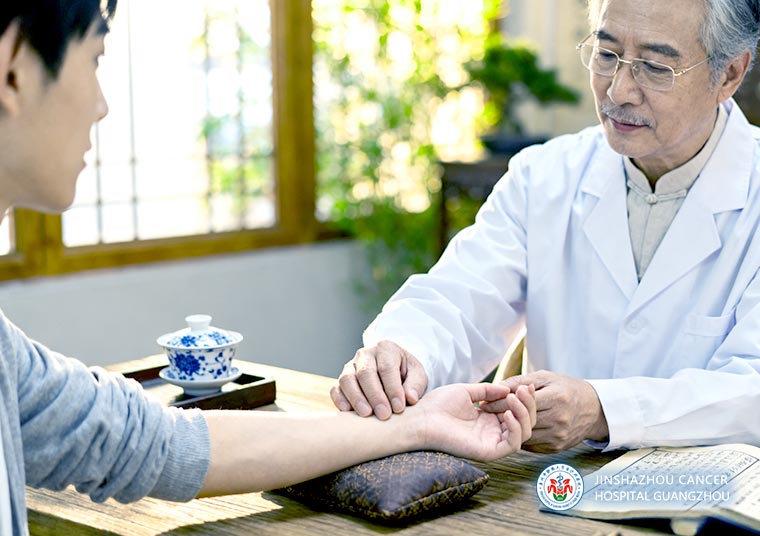
Overview of Traditional Chinese Medicine (TCM)
TCM diagnosis and treatment are centered on syndrome differentiation and individualized regulation, primarily aimed at symptom relief and improving treatment tolerance. It is used to alleviate fatigue, pain, and problems related to sleep, appetite, and gastrointestinal discomfort; to regulate constitutional status and immune function; and to support recovery and rehabilitation. At our hospital, TCM is incorporated into the MDT framework as one of the important options in comprehensive treatment, and can be coordinated with surgery, radiotherapy, chemotherapy, and interventional therapies, providing cancer and chronic disease patients with broader therapeutic choices and a one-stop integrated care pathway.
Our hospital adheres to the TCM philosophy of "preventive treatment of disease," emphasizing prevention before disease onset, prevention of progression after disease occurs, and prevention of recurrence after recovery. By combining internal herbal therapy with external TCM modalities, we leverage its advantages of simplicity, accessibility, and cost-effectiveness, and actively provide preventive and health management services. At the same time, we implement an integrated TCM--Western medicine model, fully utilizing the strengths of TCM while appropriately applying modern Western medical treatments, to ensure scientifically sound and individualized treatment plans for patients.
Indications and Treatment Modalities
Our hospital provides a variety of TCM diagnosis and treatment methods as well as traditional external therapies. Typically, treatments are selected based on syndrome differentiation, patient's primary complaints, physical condition, and current medications. During treatment, patient comfort and tolerance are emphasized; risk assessments are performed when necessary, and therapy is coordinated with ongoing medical treatments.
The common conditions suitable for external therapies include: insomnia, headache/migraine, dizziness, rhinitis, eczema/urticaria, cervical spondylosis, periarthritis of the shoulder, osteoarthritis, lumbar and leg pain, cough, gastrointestinal discomfort, hypertension management, sprains, irregular menstruation, and suboptimal health conditions.
Common treatment modalities include:
① Acupuncture: Using fine needles, specific acupoints are stimulated with certain techniques to unblock meridians and regulate organs, aiming to strengthen the body's resistance and eliminate pathogenic factors. Acupuncture has broad indications and is applied to internal medicine, surgery, gynecology, pediatrics, and other common and frequently occurring diseases.
② Tui Na (Manual Therapy): Techniques such as pressing, kneading, rubbing, and rolling are applied to the body surface, stimulating the skin, subcutaneous tissue, and meridian muscles (including fascia, muscles, ligaments, joint capsules). This promotes relaxation, calms the mind, stimulates or awakens energy, and regulates qi and blood. Tui Na is indicated for internal, gynecological, and pediatric diseases, as well as musculoskeletal disorders before or after exercise. It helps relieve muscle tension, dissolve adhesions, and improve local circulation.
③ Cupping Therapy: Using cups and methods such as combustion, suction, or steam to create negative pressure, cups are applied to acupoints or corresponding body regions, inducing local hyperemia or blood stasis to prevent and treat disease. Traditionally called "horn therapy" or "suction therapy," it is commonly used for colds, insomnia, shoulder stiffness, back pain, and neck pain.
④ Suspended Moxibustion: A lit moxa stick is suspended above selected acupoints or painful areas, using heat to stimulate these regions for disease prevention and treatment. Suspended moxibustion warms meridians, disperses cold, strengthens yang, resolves blood stasis, and is applicable for conditions such as cold-damp arthralgia, organ deficiency cold, yang deficiency collapse, qi sinking, and suboptimal health regulation.
⑤ Ginger Layered Moxibustion: Crushed ginger is placed on top of herbal powders, and moxa is applied over it. This method combines meridians, acupoints, herbal effects, and moxibustion. Ginger, slightly warm and pungent, enters the spleen and lung meridians, enhancing the warming, meridian-unblocking, and pain-relieving effects of moxibustion. Ginger-layered moxibustion covers a large treatment area and provides deep, long-lasting heat, making it one of the most effective moxibustion methods. Its benefits include warming and activating qi and blood, harmonizing yin and yang, strengthening yang, dispelling cold and dampness, relieving pain, and enhancing immunity.
⑥ Herbal Fumigation: This external therapy uses the heat and pharmacological effects of medicinal herbs to fumigate affected areas. Steam from herbal decoctions, combined with controlled temperature, humidity, and pressure, promotes local blood and lymph circulation, reduces edema and inflammation, and relaxes muscle tension and spasms. Clinically, it is widely used for rheumatologic, orthopedic, gynecological, dermatological, and ENT conditions.
In addition, based on evaluation results and patient needs, we offer traditional and specialized external therapies including warm-needle acupuncture, moxibustion, seasonal moxibustion, herbal patches, acupoint massage, orthopedic repositioning, ear acupressure, gua sha, pediatric tui na, embedding therapy, and topical herbal applications.
Note: TCM emphasizes syndrome differentiation. Suitability, internal versus external treatment, and treatment course are determined based on comprehensive assessment of individual constitution, disease stage, medical history, and current medications.
Traditional Chinese Medicine and Tumor Treatment
Traditional Chinese medicine has a long-standing understanding of tumors, which has been gradually enriched and developed over time. According to TCM, tumor formation is related to deficiency of vital energy and organ weakness, combined with external pathogenic factors, qi and blood stagnation, and the accumulation of toxins and phlegm. These pathological factors interact, ultimately leading to the development of tumors. The advantages of TCM in tumor treatment lie in regulating overall immunity, improving the internal environment, and alleviating treatment-related side effects.
The integration of Traditional Chinese Medicine and modern Western medicine in oncology is widely adopted by both domestic and international experts and patients, and is increasingly recognized by the global medical community. Combining TCM with modern medical approaches allows for the strengths of both systems to be utilized, providing patients with individualized, comprehensive treatment plans.
Advantages of Traditional Chinese Medicine in Tumor Treatment
① Integration with surgical treatment
Chinese medicine often uses formulas that tonify Qi, consolidate the exterior, and nourish blood to help patients recover more quickly from surgical trauma, facilitate subsequent treatments, reduce recurrence, prevent metastasis, and prolong survival. Clinical observations and experimental studies indicate that long-term use of Chinese medicine may achieve these benefits.
② Integration with radiotherapy
Chinese medicine can assist radiotherapy, particularly through herbs that nourish Yin, clear the lungs, tonify Qi, and activate blood circulation, reducing side effects such as dry mouth, tongue discomfort, and head or neck irritation. For acute radiation-induced pneumonia and related symptoms, Chinese medicine can relieve cough, chest tightness, and other discomforts. Clinical observations also show that combining Qi-tonifying and blood-activating herbs with radiotherapy can enhance therapeutic effects and extend patient survival.
③ Integration with chemotherapy
In Chinese medicine, chemotherapy is viewed as damaging the body's Qi and blood, as well as the essence and fluids, causing functional imbalances in the organs. Chinese medicine helps mitigate these side effects by tonifying Qi, strengthening the spleen, and nourishing the liver and kidneys, alleviating nausea, vomiting, and leukopenia. Combining Chinese medicine with chemotherapy not only improves efficacy but also reduces toxicity, enabling patients to better tolerate treatment.
④ Palliative treatment
For patients in advanced stages who are unsuitable for surgery, radiotherapy, or chemotherapy, clinical evidence shows that Chinese medicine can relieve symptoms, stabilize tumor growth, and prolong survival.
⑤ Integration with hyperthermia therapy
Hyperthermia is a green therapy with low adverse reactions and noticeable effects. Chinese medicine can synergize with hyperthermia by promoting the movement of "Yang Qi" and inhibiting the formation of "Yin Qi," thereby enhancing the anticancer effects of hyperthermia and increasing patient sensitivity to treatment.
⑥ Immune regulation
A major advantage of Chinese medicine in tumor treatment lies in its immune-modulating effects. By regulating the immune system, Chinese medicine can improve the internal environment of tumor patients and enhance immune responsiveness. Additionally, it can increase drug absorption and efficacy, relieve symptoms through blood-activating and stasis-resolving effects, and improve overall quality of life.
Treatment Pathway
Following the pathway of "Assessment --- Planning --- Implementation --- Follow-up," emphasizing safety and individualization:
① Initial Assessment: Understand the patient's main complaints and symptom characteristics, collect medical history, allergy history, previous treatments, and current medications; perform risk assessment if necessary, incorporating examination data.
② Syndrome Differentiation and Plan Formulation: Based on syndrome differentiation, clarify stage-specific goals (e.g., improving sleep, pain, appetite, fatigue), select appropriate internal medicine and/or external therapy combinations, and explain relevant precautions.
③ Standardized Implementation and Process Observation: Carry out treatments according to protocols, monitor reactions and tolerance, and adjust intensity, frequency, or methods as needed.
④ Follow-up and Dynamic Adjustment: Re-evaluate based on changes in symptoms and quality of life, updating treatment plans and course schedules accordingly.
⑤ MDT Collaboration When Necessary: For patients with multiple chronic conditions, complex medication regimens, or concurrent specialty treatments (e.g., surgery, radiotherapy/chemotherapy, interventional therapy, long-term internal medicine), multidisciplinary evaluation or MDT discussion can be conducted to coordinate medications and treatment arrangements, ensuring safer and smoother care.
Safety and Standardization
① Standardized Medication and Quality Management: Chinese herbal decoctions and related preparations follow hospital management requirements, with emphasis on source verification and quality control to minimize medication risks.
② Individualized Assessment and Risk Screening: Before formulating a treatment plan, physicians comprehensively evaluate the patient's medical history, allergy history, current medications, and treatment stage to assess suitability and potential interactions; special populations are approached with additional caution.
③ Standardized External Therapy Procedures: External treatments such as acupuncture, tuina massage, and moxibustion are performed by trained medical personnel according to protocols, with attention to infection control and monitoring during the procedure to ensure safety.
Frequently Asked Questions
① Can Chinese medicine replace surgery, radiotherapy, or chemotherapy?
Answer: Generally, no. Chinese medicine is mainly used for supportive and adjunctive management, helping to relieve discomfort and improve tolerance, and is coordinated with other treatments under physician guidance. Suitability and arrangement are determined individually.
② How soon can improvements be felt?
Answer: It varies by individual. Physicians usually first identify the patient's main concerns (such as sleep, pain, appetite, fatigue, gastrointestinal issues, bowel movements), set stage-specific goals, and monitor changes through follow-up visits. Treatment plans and pace are adjusted based on feedback.
③ Can only external therapies be used without oral Chinese medicine?
Answer: Yes. Whether external therapies such as acupuncture, tuina massage, or moxibustion are appropriate depends on the patient's goals, constitution, and risk assessment. They can also be combined with oral herbal medicine if needed.
④ Does Chinese medicine have side effects?
Answer: Most patients tolerate it well, but individual differences exist. Rarely, gastrointestinal discomfort or allergic reactions may occur; potential interactions should also be considered if multiple medications are used simultaneously. It is recommended to use Chinese medicine under physician guidance and report any discomfort promptly to allow adjustment of prescriptions or administration.
⑤ Can Chinese medicine and Western medicine be used simultaneously?
Answer: In many cases, yes, but assessment is required. Inform your physician of all medications you are taking. Adjustments in combination or timing may be made to minimize interactions and ensure safer and smoother treatment.
Acupuncture:
Ginger-Interposed Moxibustion:
Suspended Moxibustion:
Cupping Therapy:
Ginger Moxibustion:
Acupuncture Room:
 + 86 17688273501
 Address
 Email Form
 Language
 English

 Hotline Phone+ 86 17688273501

 Back to Menu