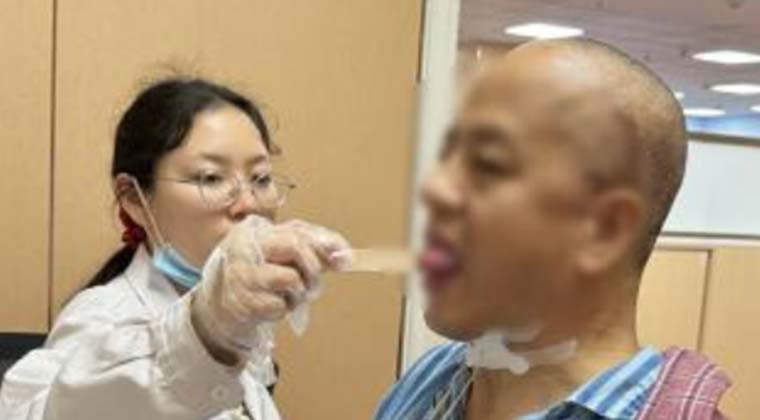
Overview of Rehabilitation Therapy in Our Hospital
Rehabilitation therapy is a comprehensive treatment approach oriented toward functional improvement. It usually begins with a rehabilitation assessment, focusing on functional issues such as motor ability, activities of daily living, speech and swallowing function, balance, and gait. Based on functional evaluation, rehabilitation interventions are implemented, and continuous rehabilitation management is established through staged re-evaluations and adjustment of treatment plans. In addition to disease diagnosis, greater emphasis is placed on whether patients can return to a safer and more independent living state, with the aim of providing standardized and continuous rehabilitation support services.
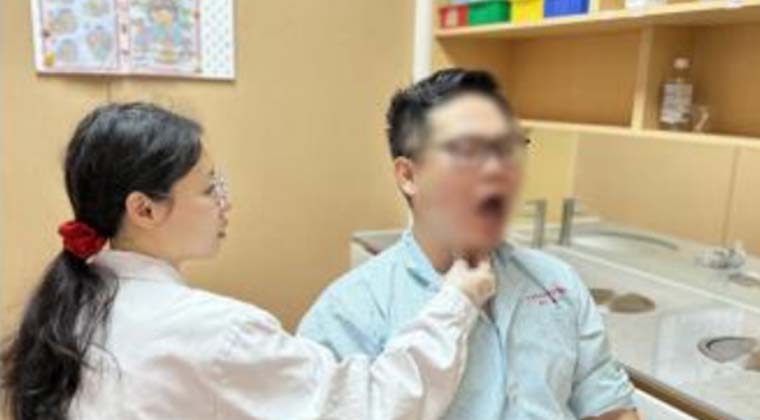
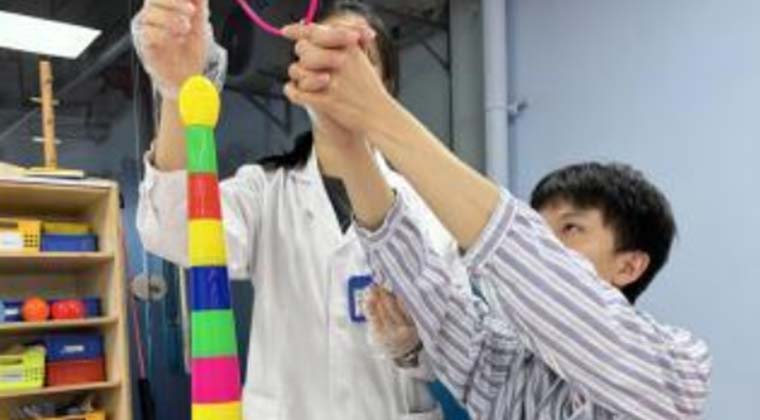
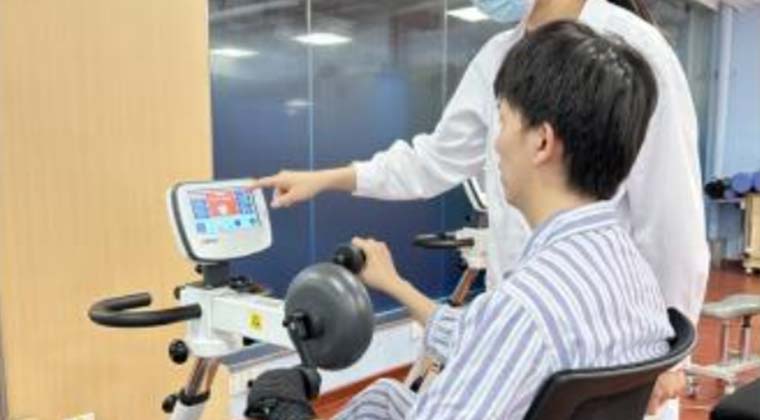
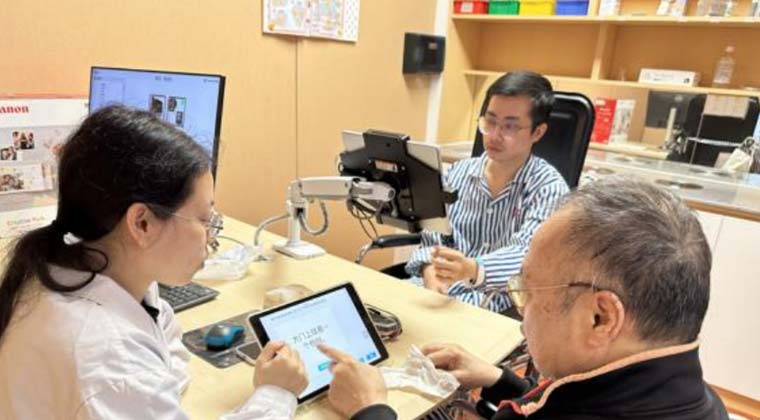
In our clinical practice, rehabilitation therapy is grounded in modern rehabilitation techniques and includes rehabilitation assessment, exercise therapy, occupational therapy, speech therapy, swallowing function training, and physical agent therapy. At the same time, traditional Chinese medicine--based therapies are incorporated into individualized programs, utilizing the synergistic effects of acupuncture, micro-needle knife therapy, moxibustion, Tuina massage, fumigation therapy, and plantar reflex therapy. To enhance the feasibility and manageability of assessment and training, the hospital has introduced multi-directional intelligent rehabilitation platforms, covering lower-limb training, gait training and assessment, isokinetic training and testing, language disorder assessment and training, comprehensive OT training, treadmill training, and biofeedback-based training scenarios, making rehabilitation interventions more suitable for quantitative evaluation, process tracking, and staged re-assessment.
Rehabilitation Therapy Aimed at Improving Function
The core goal of rehabilitation therapy in our hospital is to assess and intervene in patients' functional impairments, and to support the recovery of daily living abilities through training and therapeutic measures. Common areas of focus include limb function after hemiplegia or paraplegia, balance and gait, speech communication and swallowing, cognitive function, as well as pain and limitations in mobility.
For oncology patients, rehabilitation serves as an important supportive component of comprehensive treatment. It provides assessment and management recommendations for common post-treatment issues such as pain, lymphedema, loss of appetite, nausea or hiccups, abdominal distension or vomiting, constipation, fatigue, limb numbness, urinary incontinence, muscle atrophy, and swallowing disorders. Intervention priorities are adjusted according to the stage of recovery.
Scope of Application
If any of the following conditions are present, a rehabilitation assessment is recommended to clarify functional issues and determine appropriate interventions:
• Reduced mobility: unsteady walking, frequent falls, difficulty climbing stairs, or markedly decreased endurance.
• Limb dysfunction: hemiplegia, numbness or weakness, joint stiffness, reduced muscle strength, or impaired fine motor skills.
• Impact on daily activities: increased need for assistance with dressing, washing, eating, or toileting.
• Speech or swallowing problems: slurred speech, difficulty with articulation, choking when swallowing, or difficulty eating.
• Pain and movement limitation: neck, shoulder, back, or limb pain; postoperative or chronic pain affecting activity and sleep.
• Post-treatment or postoperative recovery needs: functional or physical capacity issues after orthopedic surgery, stroke/traumatic brain injury, or cancer treatment.
• Pediatric and geriatric functional problems: developmental functional disorders, balance and gait decline, or decreased cognitive or mobility abilities.
Rehabilitation covers a broad range, including functional reconstruction after major illnesses as well as supportive rehabilitation for common conditions such as chronic pain and dizziness. Common areas include:
① Neurological rehabilitation: rehabilitation after stroke, traumatic brain injury, spinal cord injury, multiple sclerosis, facial paralysis, and other peripheral nerve injuries.
② Orthopedic rehabilitation: perioperative rehabilitation after various fractures, joint replacement, anterior cruciate ligament injury, meniscal injury, hand trauma; as well as rehabilitation for cervical spondylosis, lumbar disc herniation, frozen shoulder, knee osteoarthritis, ankle sprain, rotator cuff injury, tennis elbow, and related conditions.
③ Oncological rehabilitation: management of cancer patients, particularly for common post-treatment complications after surgery, radiotherapy, or chemotherapy, such as pain, lymphedema, poor appetite, nausea, hiccups, abdominal distension, vomiting, constipation, fatigue, limb numbness, urinary incontinence, muscle atrophy, and swallowing disorders.
④ Pediatric rehabilitation: rehabilitation for cerebral palsy, brain dysplasia, autism spectrum disorder, attention deficit hyperactivity disorder, genetic mutations and hereditary diseases, kernicterus, hypoxic-ischemic encephalopathy, low birth weight infants, high-risk infants, and other acute or chronic diseases causing motor, speech, behavioral, or psychological disorders.
⑤ Cardiopulmonary and critical care rehabilitation: rehabilitation for various heart diseases, pulmonary and bronchial diseases, and other cardiopulmonary functional impairments.
⑥ Geriatric rehabilitation: rehabilitation for Parkinson's disease, osteoporosis, diabetes, cerebral atrophy, dementia (Alzheimer's disease), and other geriatric conditions.
⑦ Other rehabilitation: rehabilitation for acute lumbar sprain, insomnia, tinnitus, benign paroxysmal positional vertigo, dizziness, migraine, gastrointestinal functional disorders, dysmenorrhea, uterine prolapse, or pelvic floor muscle laxity.
The above symptoms and situations are for reference only and cannot replace a physician's diagnosis or individualized medical advice. The necessity of rehabilitation, suitable programs, and training intensity should be determined by physicians and rehabilitation professionals after assessment and carried out under professional guidance.
Core Characteristics
Our rehabilitation program focuses not only on whether treatment can be provided, but on delivering a systematic, actionable, and sustainable rehabilitation support plan. We emphasize a closed-loop management model of "assessment -- implementation -- reassessment -- adjustment": starting from functional assessment, based on modern rehabilitation techniques, supported by intelligent assessment and training tools, and, on the basis of evaluation, integratively incorporating traditional Chinese medicine (TCM) rehabilitation methods to form a continuous rehabilitation pathway that aligns with clinical treatment.
① More comprehensive equipment and platforms: supporting assessment, training, and feedback management
Our hospital is equipped with rehabilitation assessment and treatment devices commonly used in tertiary hospitals and has introduced multiple intelligent rehabilitation platforms for training and assessment across different functional modules. These include intelligent lower-limb feedback training, gait training and assessment, multi-joint isokinetic training and testing, intelligent stair and slope walking training, speech disorder rehabilitation assessment and training, comprehensive OT training, rehabilitation treadmill training, electronic biofeedback therapy, intelligent thermotherapy traction, and hand function assessment and training.
The value of these platforms lies not only in their number and configuration, but in their ability to translate functional problems into executable training tasks, record data during training, and support reassessment, thereby providing a basis for subsequent plan adjustments.
② Advanced model with stronger integration: better alignment between rehabilitation and clinical treatment
Our rehabilitation services adopt internationally advanced clinical rehabilitation models, combined with modern TCM-based rehabilitation techniques, and are closely coordinated with other clinical departments. Professional collaboration is carried out in neurological rehabilitation, oncological rehabilitation, pediatric rehabilitation, critical care rehabilitation, musculoskeletal rehabilitation, and chronic disease rehabilitation. The significance of this model is that rehabilitation is not merely an "add-on" after treatment ends; instead, it is incorporated into comprehensive management at appropriate stages and aligned with the course of primary disease treatment. Through assessment and reassessment, training plans can be adjusted according to disease progression, making recovery more structured and sustainable.
③ More comprehensive therapeutic approaches: nearly 30 rehabilitation techniques covering different recovery stages
Led by nationally recognized rehabilitation medicine expert Professor Tang Dan, the rehabilitation team adopts an integrated Chinese and Western medicine approach to provide more comprehensive and systematic rehabilitation services for different types of functional impairments. Currently, nearly 30 rehabilitation treatments and training programs are available, covering core modules such as physical therapy, occupational therapy, speech and swallowing therapy, balance and strength training. These are complemented by rehabilitation robots, standing bed training, joint mobilization, aerobic training, as well as physical factor therapies including shockwave therapy, traction, pneumatic therapy, ultrasound, magnetotherapy, biofeedback, low- and medium-frequency therapy, and laser therapy.
Rehabilitation plans are not fixed combinations; they are dynamically adjusted according to assessment results and recovery stages. Early stages prioritize safety and basic function, followed by gradual strengthening of muscle strength, balance, gait, and endurance, with timely optimization after stage-based reassessments, ultimately focusing on daily activity capacity and long-term management.
④ Distinct TCM features: coordinated integration of traditional therapies and modern training
Our hospital fully leverages the unique strengths of TCM in rehabilitation, forming a distinctive integrated Chinese--Western rehabilitation model in combination with modern rehabilitation technologies. Commonly used traditional TCM therapies include:
• Acupuncture therapy: including Xingnao Kaiqiao acupuncture, Jin's Three-Needle technique, and other specialized methods, used to support rehabilitation for neck, shoulder, waist, and leg pain, post-stroke functional impairments, headaches, insomnia, and related conditions.
• Moxibustion therapy: using moxa stick moxibustion, long-snake moxibustion, and similar methods to warm the meridians, dispel cold and dampness, relieve pain, support vital energy, and regulate organ function.
• Tuina (therapeutic massage): including Long's manipulation techniques, applied to relieve neck, shoulder, waist, and leg pain and soft tissue injuries.
• Cupping and bloodletting therapy: primarily aimed at dispelling dampness, unblocking channels, and promoting blood circulation, used as adjunctive interventions for chronic pain and certain internal medicine-related conditions.
• Acupoint embedding therapy: involving the implantation of absorbable threads into specific acupoints, used for simple obesity, certain gynecological conditions, and regulatory support for patterns such as "upper heat with lower cold," as well as low back and leg pain with numbness.
• Chinese herbal regulation: providing individualized internal and external herbal treatment plans based on constitution and disease status, serving as holistic supportive regulation during the rehabilitation process.
Overall, TCM-based rehabilitation therapies are not a separate system independent of modern rehabilitation, but are integratively incorporated into individualized plans based on assessment and dynamically adjusted according to recovery stages, to better match functional status and rehabilitation goals.
Clinical Pathway
Our hospital integrates rehabilitation into a multidisciplinary discussion and comprehensive management framework. Professional collaboration is carried out with relevant teams in neurology, oncology, pediatrics, critical care, musculoskeletal disorders, and chronic diseases, enabling rehabilitation to better align with the course of primary disease treatment.
① Rehabilitation Assessment: Assessment serves as the starting point to identify functional issues involving motor function, activities of daily living, speech and swallowing, balance and gait, as well as pain or activity limitations. Previous treatments and treatment tolerance are considered to define stage-specific goals and risk factors.
② MDT-Based Treatment Planning: Based on assessment findings, stage-specific objectives are defined, with rehabilitation techniques and training as the core approach, supplemented by physical modalities and assistive technologies as appropriate. In suitable contexts, traditional Chinese medicine modalities such as acupuncture, moxibustion, and manual therapy may be incorporated in a staged manner to form an individualized combined treatment plan.
③ Implementation and Adjustment: Treatment and training are carried out according to the plan. Early stages emphasize safety and basic functional recovery, followed by gradual strengthening of strength, balance, gait, and endurance. Treatment intensity and modalities are adjusted as needed.
④ Reassessment and Follow-up: The team conducts regular reassessments of functional changes, adjusts training strategies according to stage-specific goals, and provides guidance for continued training and daily management after discharge.
Safety and Standardization
Rehabilitation treatment at our hospital is carried out under standardized procedures and professional monitoring:
① Assessment first: Rehabilitation physicians and relevant therapists conduct functional and risk assessments before treatment, on the basis of which an individualized plan is developed.
② Standardized implementation: All rehabilitation techniques are performed under the guidance of qualified professionals, with training intensity and treatment parameters increased in a gradual and controlled manner.
③ Process monitoring: Patient responses and progress are continuously observed during treatment. If necessary, the plan is promptly adjusted, or treatment is paused for further evaluation of the underlying causes.
④ Communication and education: The team explains rehabilitation goals, key training points, and precautions to patients and their families, and encourages timely feedback regarding discomfort or abnormal sensations.
⑤ Basic safety management: Equipment operation, treatment environment, and cleaning and disinfection are strictly managed to minimize the risk of accidents and cross-infection.
⑥ Clinical coordination: For patients with complex conditions or those undergoing active medical treatment, the rehabilitation team maintains close communication with relevant clinical departments to ensure consistency between rehabilitation plans and overall treatment arrangements.
Frequently Asked Questions
① Does rehabilitation therapy require hospitalization, or can it be completed on an outpatient basis?
Answer: Mild to moderate functional problems can usually be assessed and treated on an outpatient basis. For patients with more severe functional impairments, those requiring intensive training, or those with multi-system involvement, physicians will evaluate whether inpatient rehabilitation is appropriate.
② How should the timing of rehabilitation therapy be determined?
Answer: Provided that the patient's condition is stable and there are no clear contraindications, rehabilitation is generally recommended to be incorporated into the treatment and recovery plan as early as possible. The optimal timing varies depending on the disease and stage, and should be determined after assessment by the physician and rehabilitation team.
③ Can rehabilitation be performed during cancer treatment?
Answer: Yes. During cancer treatment, rehabilitation therapy should follow the principles of safety and appropriate intensity. Scientifically guided rehabilitation measures can help improve quality of life and promote physical recovery. Rehabilitation plans should be tailored to the patient's specific condition and treatment stage, with suitable interventions and training intensity determined through evaluation. All interventions should be carried out under the guidance of a physician or rehabilitation therapist.
④ Will rehabilitation therapy interfere with medication treatment?
Answer: In most cases, rehabilitation therapy and medication treatment are complementary. Medications are used to control disease or alleviate symptoms, while rehabilitation focuses on functional recovery and improvement of daily living abilities. Medications should be taken strictly as prescribed; patients should not discontinue or reduce medication on their own because rehabilitation has begun.
⑤ Are traditional Chinese medicine (TCM) therapies always used? Will they conflict with training?
Answer: Whether TCM-based therapies are included in the rehabilitation plan depends on the assessment results and the patient's individual condition. Generally, TCM therapies are used as complementary interventions alongside modern rehabilitation training. Adjustments are made dynamically based on patient response to ensure that the two approaches support each other without conflict.
⑥ What precautions should be taken during rehabilitation therapy?
Answer: Patients should follow the guidance of physicians and therapists, avoid increasing training intensity or interrupting therapy on their own, and ensure adequate rest with a balanced workload. If pain worsens, significant discomfort appears, or other abnormal reactions occur, medical staff should be informed promptly so that the plan can be evaluated and adjusted.
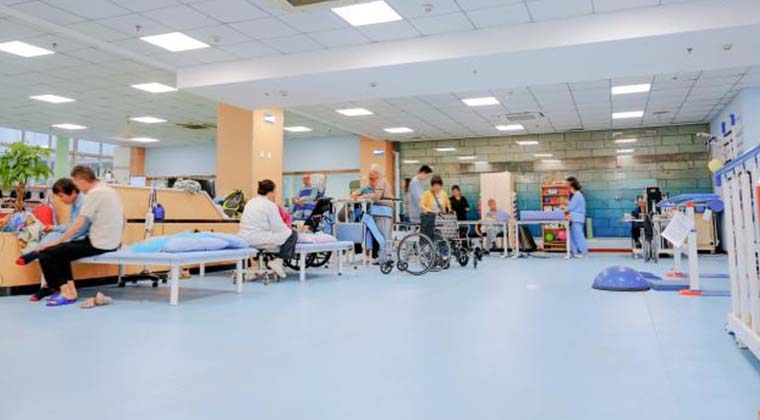
Rehabilitation Hall:
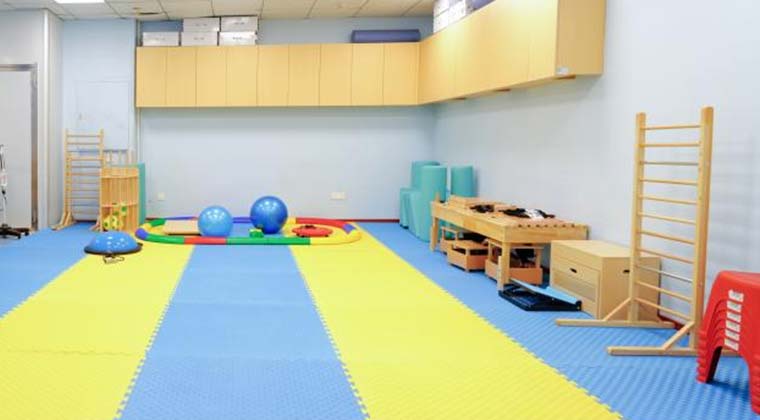
Pediatric Rehabilitation Hall:
Exercise Hall:
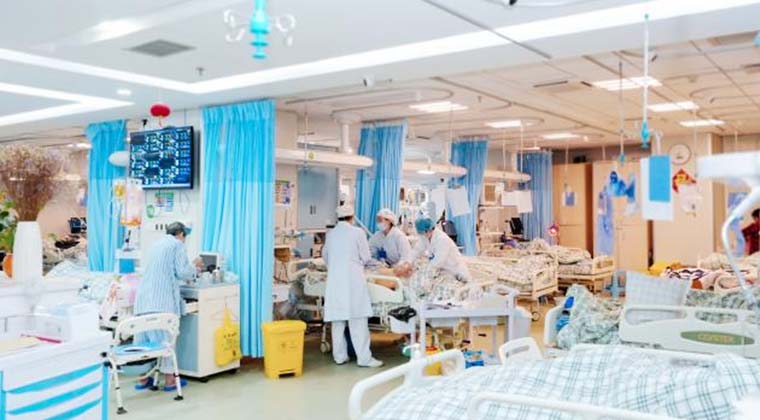
Rehabilitation Ward:
Speech Training:
Occupational Training:
Exercise Training:
Cognitive Training:
Swallowing Training:
 + 86 17688273501
 Address
 Email Form
 Language
 English

 Hotline Phone+ 86 17688273501

 Back to Menu