HyperArc Precision Radiotherapy: Protecting the Brain in Multiple Brain Metastases
When a medical report is marked with the words “brain metastases,” patients are often soon confronted with headaches, blurred vision, and impaired mobility. For many patients and their families, this diagnosis brings overwhelming anxiety. Conventional radiotherapy may expose healthy brain tissue to unnecessary radiation, while multiple metastatic lesions often require repeated treatment sessions. The prolonged treatment course and the risk of adverse effects become two major obstacles on the road to recovery.
In clinical practice, we have treated patients with a wide range of brain metastasis presentations. Below are three real-world clinical cases demonstrating how they overcame these treatment challenges.
Case 1: Multiple Brain Metastases from Lung Adenocarcinoma — Complete Remission of Both Intracranial and Pulmonary Lesions Through Precision Radiotherapy Combined with Targeted Therapy
Patient Profile: A 59-year-old woman diagnosed with stage IVB lung adenocarcinoma with multiple intracranial metastases. Genetic testing revealed an EGFR exon 19 mutation (EGFR 19+).
Treatment Strategy: Given the complexity of multiple intracranial metastatic lesions, the multidisciplinary team developed a combined treatment protocol integrating precision radiotherapy with targeted therapy, administered concurrently:
1.Precision radiotherapy for brain metastases: From June 15 to June 22, 2025, stereotactic radiotherapy was delivered to all intracranial metastatic lesions using the TrueBeam HyperArc platform. A total dose of 30 Gy in 6 fractions (30 Gy/6F) was administered, with the entire treatment course completed in just six sessions.
2.Concurrent targeted therapy: A third-generation EGFR-TKI was administered simultaneously to provide systemic control of the primary lung tumor and suppress disease progression throughout the body.
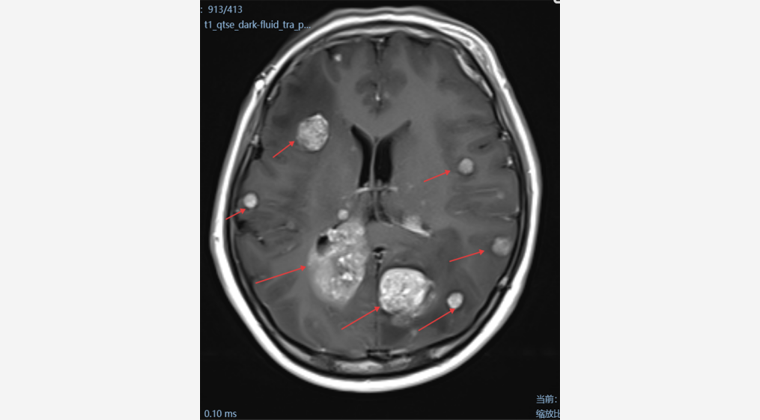
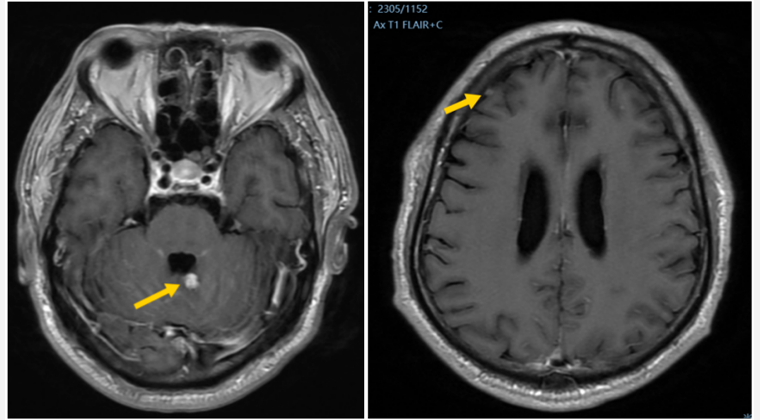
Figure 1: Multiple intracranial lesions before treatment
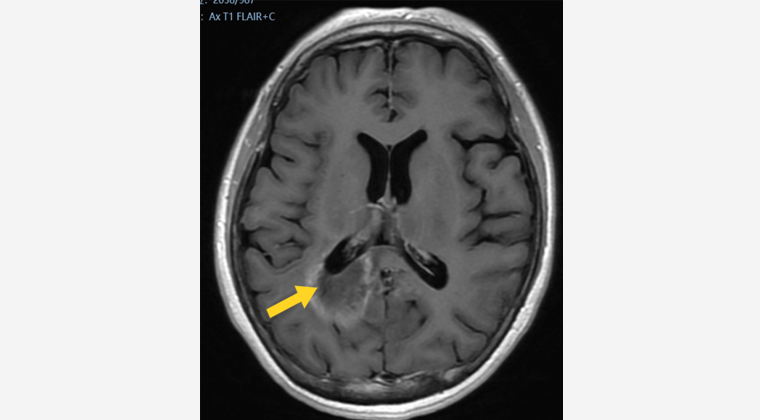
Figure 2: Near-complete regression of the intracranial lesions after treatment
Excellent control was achieved for both the intracranial metastatic lesions and the primary lung tumor, resulting in a significant improvement in the patient's quality of life.
Treatment Outcome: Follow-up evaluation after completion of therapy demonstrated an excellent therapeutic response: the intracranial lesions achieved near-complete remission (CR), while the primary lung lesion achieved complete remission (CR).
Case 2: Multiple Brain Metastases from Lung Cancer — A New Turning Point After the Development of Targeted Therapy Resistance
Patient Profile: A 52-year-old man diagnosed with adenocarcinoma of the left upper lobe of the lung with brain metastases, staged as cT4N3M1, Stage IV. Genetic testing confirmed a ROS1 rearrangement. Following his initial diagnosis in September 2025, the patient received first-line targeted therapy with crizotinib. However, after an initial period of treatment, acquired drug resistance developed, accompanied by multiple intracranial metastatic lesions, persistent dizziness, and headaches, resulting in a marked decline in quality of life.
Treatment Strategy:After admission to our hospital, the multidisciplinary team developed a combined treatment approach integrating targeted therapy with precision radiotherapy:
1.Targeted therapy adjustment: The treatment regimen was switched to taletrectinib, a next-generation ROS1 inhibitor, to achieve systemic control of tumor progression.
2. Precision radiotherapy for brain metastases: From March 13 to March 31, 2026, stereotactic radiotherapy was delivered to the multiple intracranial metastatic lesions using the TrueBeam HyperArc platform. A total dose of 45 Gy in 15 fractions (45 Gy/15F) was administered.
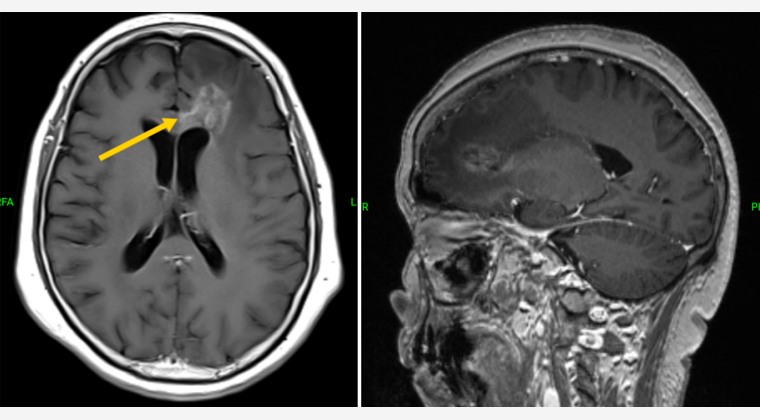
Figure 3 (Before Treatment): Brain MRI, March 10, 2026 — Multiple intracranial lesions.
Figure 4(After Treatment): Follow-up brain MRI, April 20, 2026 — Near-complete regression of the intracranial lesions.
Treatment Outcome: Follow-up evaluation after completion of radiotherapy demonstrated a partial response (PR) of the intracranial lesions. The patient's dizziness, headaches, and other neurological symptoms improved significantly, with a substantial enhancement in overall quality of life.
Case 3: Delayed Brain Metastasis 23 Years After Breast Cancer Treatment — A Safe Option for an Elderly Patient with Underlying Comorbidities
Patient Profile: A 74-year-old woman developed delayed brain metastasis 23 years after treatment for breast cancer. She also had underlying coronary artery disease. Given her advanced age and multiple comorbidities, selecting the most appropriate treatment strategy required exceptional caution.
Treatment Strategy:The patient's condition was reviewed through multidisciplinary team (MDT) consultations at several leading hospitals in China, where surgical resection was recommended as the preferred treatment option. After admission to our hospital and thorough discussions with the patient's family, taking into account her advanced age, history of coronary artery disease, and the increased risks associated with general anesthesia, surgery, and postoperative recovery, the family ultimately chose precision radiotherapy.
From May 26 to June 12, 2026, stereotactic radiotherapy was delivered to the intracranial metastatic lesion using the TrueBeam HyperArc platform. A total dose of 45 Gy in 15 fractions (45 Gy/15F) was administered.
Treatment Advantages: yperArc precision radiotherapy provided this elderly patient with underlying comorbidities a safe, non-invasive treatment option. The procedure required no surgery and no general anesthesia, while its submillimeter precision maximized protection of healthy brain tissue. The treatment was well tolerated throughout the course and effectively avoided the risks associated with surgical intervention.
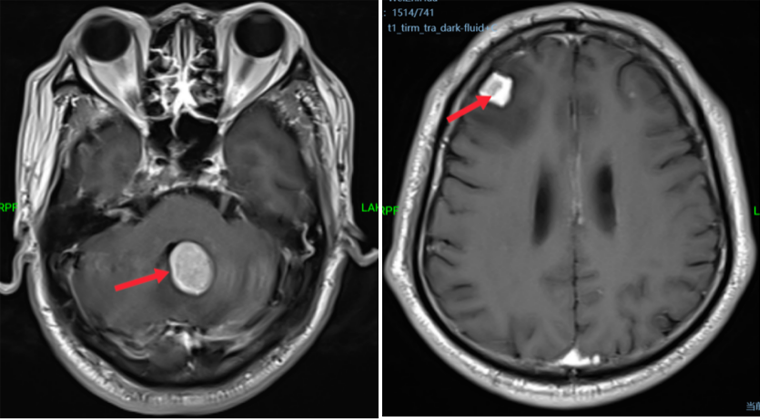
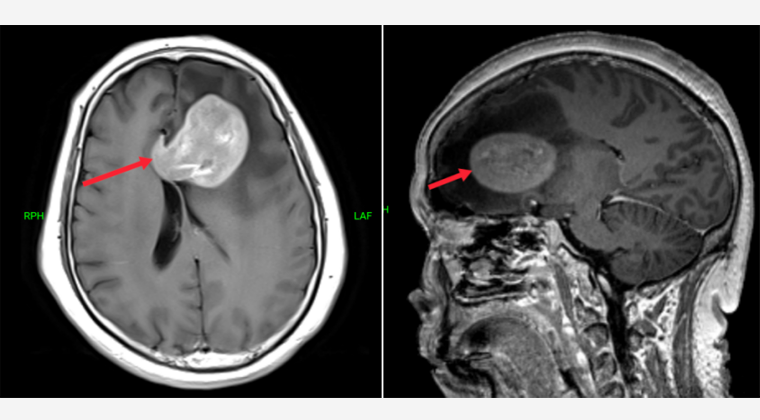
Figure 5(Before Treatment): Brain MRI, May 22, 2026 — A solitary giant intracranial metastatic lesion with a maximum diameter of 55 mm
Figure 6 (After Treatment): Follow-up brain MRI, June 10, 2026 — Marked reduction in the size of the intracranial lesion
From multiple brain metastases following acquired resistance to targeted therapy, to the concurrent use of radiotherapy and targeted therapy for EGFR-mutant disease, and finally to elderly patients with significant comorbidities who are unsuitable for surgery, all three patients with different clinical presentations of brain metastases achieved excellent outcomes with the HyperArc technology on the Varian TrueBeam platform. What makes this cutting-edge radiotherapy technology so exceptional? Let's take a closer look.
What Is HyperArc Technology?
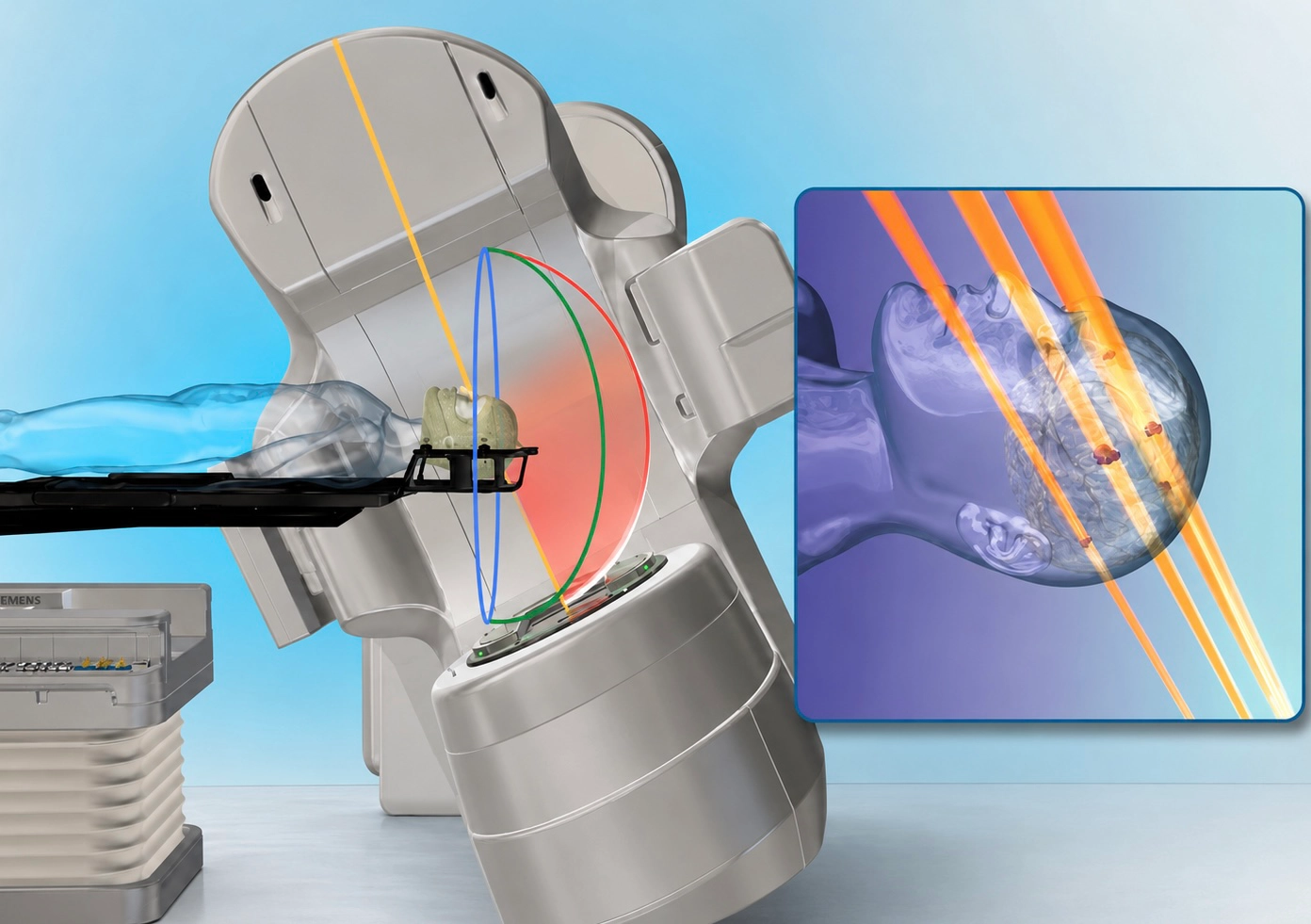
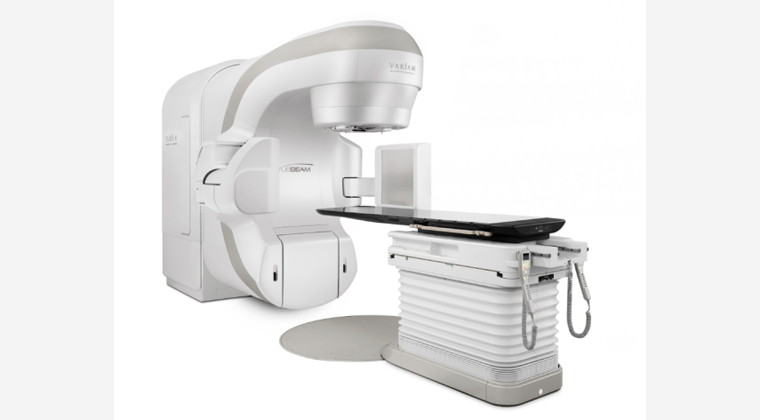
HyperArc is an advanced three-dimensional stereotactic radiotherapy technology built on the VarianTrueBeaminear accelerator. Integrating image guidance into a highly intelligent radiosurgery platform, it delivers high-precision, highly efficient, safe, and highly automated stereotactic radiotherapy for both single and multiple intracranial tumors in a streamlined, one-click workflow. At the same time, it minimizes treatment-related toxicity while reducing treatment time to an industry-leading level.
Figure 7. TrueBeam linear accelerator
Prescription-Based Treatment Workflow with Intelligent End-to-End Control
One of HyperArc's defining strengths is its standardized, prescription-driven treatment workflow, which seamlessly integrates every step from imaging to treatment delivery. The entire process—including precise patient immobilization, intelligent patient positioning, automated beam delivery, real-time intrafraction image guidance, and preconfigured irradiation sequences—is meticulously designed to ensure standardized, accurate, and fully controlled treatment from start to finish.
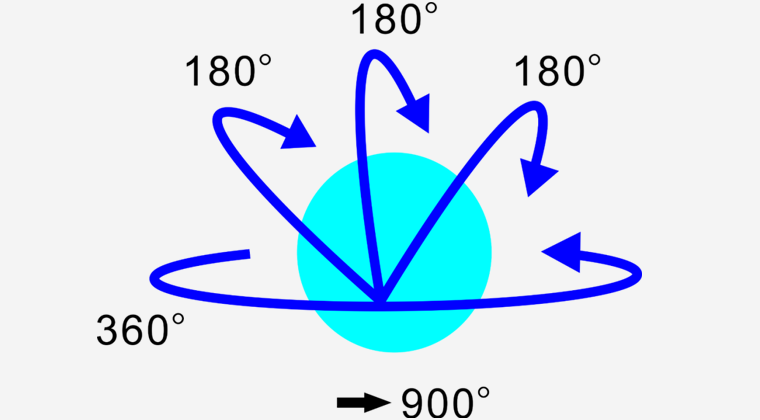
Figure 8. Schematic of HyperArc treatment arc distribution
Submillimeter Precision, Millisecond Response
HyperArc deliverssubmillimetertargeting accuracy with an ultra-fast system response time of approximately 10 milliseconds,enabling truly pinpoint radiation delivery with exceptional precision.
Single Isocenter, Multiple Targets — One-Click Treatment
Featuring the innovative single-isocenter, multiple-target technology, HyperArc can simultaneously and precisely target dozens of metastatic lesions, completing highly accurate, one-click treatment in as little as10 minutes完far surpassing conventional approaches in treatment efficiency. More importantly, its unprecedented submillimeter system accuracy minimizes radiation exposure to healthy brain tissue surrounding the target, significantly reducing the impact of radiotherapy-related side effects on neurological function and helping preserve patients' quality of life.
Building upon HyperArc's outstanding capability for highly efficient and precise local control of brain tumors, we implement a personalized multidisciplinary treatment model that integrates radiotherapy with targeted therapy. For patients with different molecular profiles, acquired resistance to targeted therapy, advanced age, or significant comorbidities, targeted treatment regimens are dynamically adjusted throughout the course of therapy. This strategy achieves both systemic tumor control and precise eradication of intracranial metastatic lesions—with radiotherapy providing effective local control and targeted therapy suppressing disease throughout the body. Together, they form a comprehensive, individualized cancer treatment system that maximizes overall therapeutic efficacy, meaningfully prolongs survival, and improves patients' quality of life.
 + 86 17688273501
 Address
 Email Form
 Language
 English

 Hotline Phone+ 86 17688273501

 Back to Menu